Top destinations in Australia
Where to base yourself, what each place is best for, and where the regional work is.
Australia is vast — roughly the size of Europe — so where you base yourself shapes your whole year. Most people start on the east coast, but the regional work that unlocks a second-year visa is scattered from Tasmania to the tropical north. Here's our honest take on the best places to land, split by region.
A taste of what's waiting
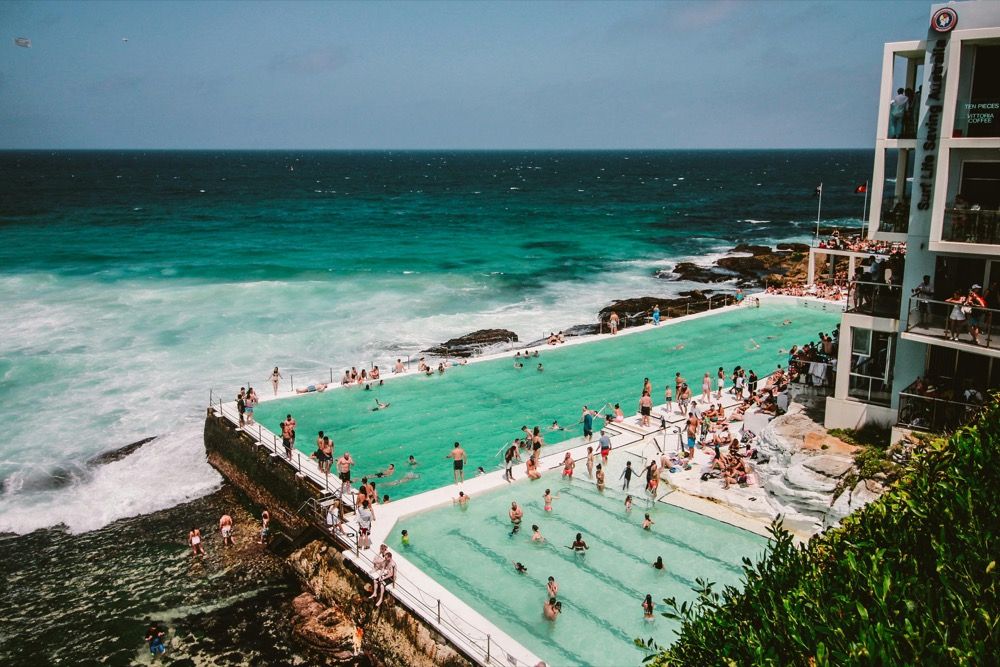
From the harbour cities of the east coast to the red heart of the outback — a glimpse of the country you're about to call home.
The east coast & cities
The classic working-holiday route — the biggest cities, the busiest job markets and the beaches everyone comes for.
Sydney New South Wales
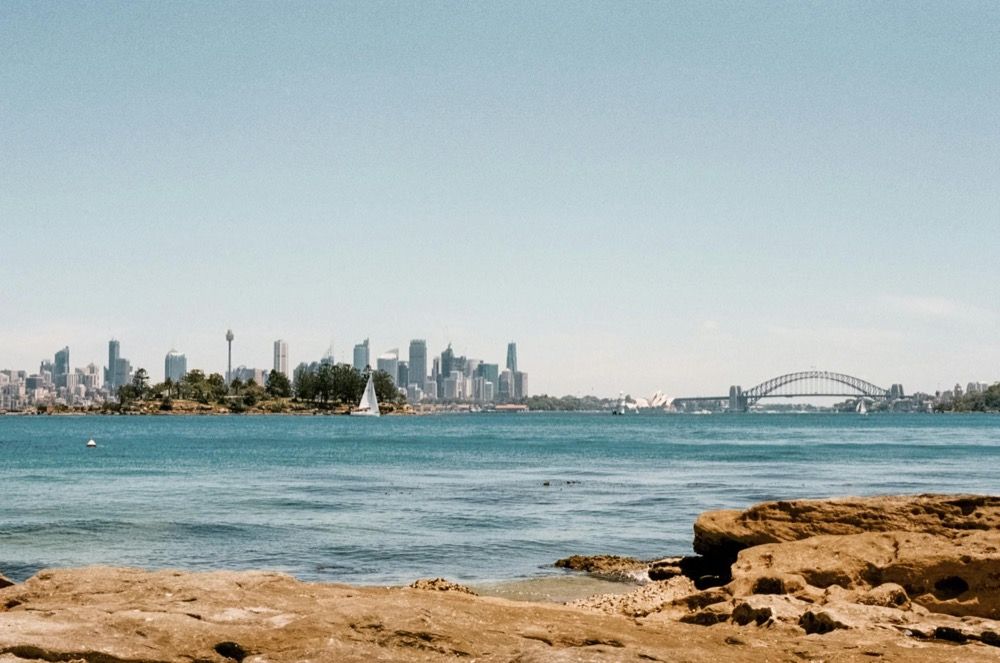
Australia's biggest, most iconic city — the harbour, the Opera House, Bondi, and the deepest job market in the country. Where most people start. It's also the most expensive place on this list to live, and rent eats a bigger share of your pay here than almost anywhere else, so budget for a stretch of hostel living before you sign a lease. Sort your SIM before you land: our SIM card guide is worth five minutes before the flight so you're not queuing at the airport while everyone else is already messaging landlords. Most people spend a few months here building savings, then head south to Melbourne or north up the coast toward Byron and Brisbane.
Melbourne Victoria
Australia's culture capital — laneways, coffee, live music and sport, with famously changeable weather and a European feel. Living costs run close to Sydney's, though rents are usually a touch lower once you're out of the inner suburbs. Melbourne also makes a natural jumping-off point for the Great Ocean Road, a short flight across to Tasmania, or the run west to Adelaide and its small-bar hospitality scene and Barossa vintage work.
Brisbane & the Gold Coast Queensland
Sunny, relaxed and growing fast, with the Gold Coast's surf beaches, theme parks and seasonal tourism work an hour to the south. Warm weather almost all year. Rent runs noticeably below Sydney and Melbourne here, which is part of why so many working holidaymakers use Brisbane as a base to save before heading regional. If you're paying a bond and a month's rent upfront, our banking guide covers getting a local account open fast so the money actually lands on time. From here it's an easy run north to Byron Bay and the Sunshine Coast, or inland toward the fruit-picking towns of the Granite Belt.
Cairns & the Tropical North Queensland
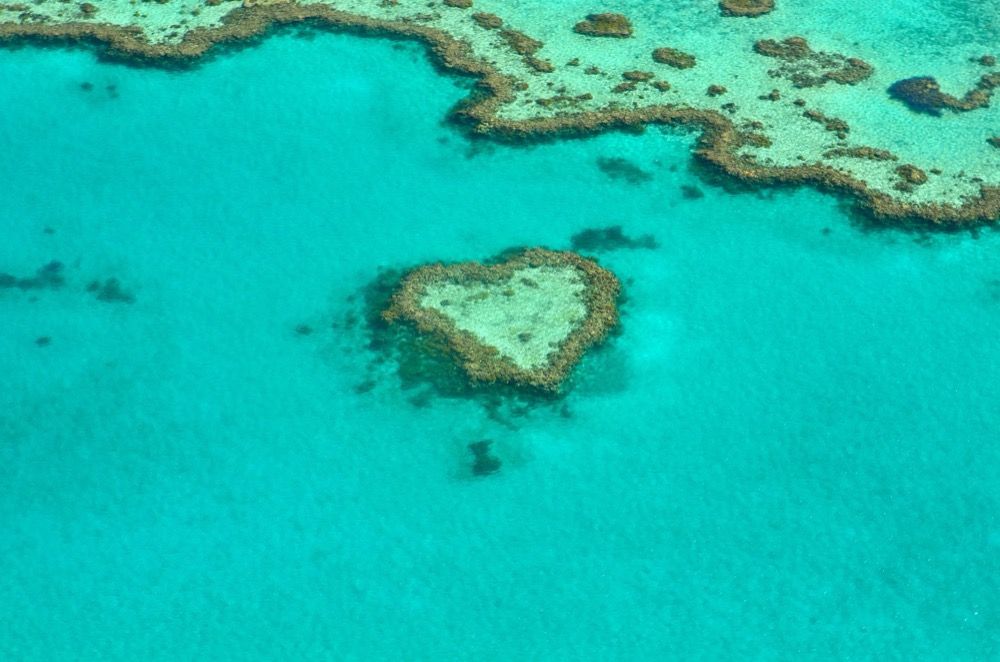
The gateway to the Great Barrier Reef and Daintree Rainforest, deep in the tropical north — and a serious backpacker hub. Everyday costs sit close to the national average, though accommodation tightens up and prices creep during the dry-season rush. The banana farms around Tully and Innisfail run pickers pretty much year-round — check exact timing against our harvest calendar before you commit to a season. Cairns also makes a natural base before heading further north to Cape Tribulation, or back south toward Townsville.
Byron Bay New South Wales
Australia's most famous beach town — surf, wellness and a laid-back, festival vibe halfway between Sydney and Brisbane. It's one of the pricier stops on this list for its size — accommodation gets tight and expensive the closer you are to the beach, which is why plenty of workers base themselves in nearby Ballina or Lennox Head and commute in instead. From here, Brisbane is under two hours north and the Gold Coast even closer, so Byron slots easily into an east-coast run rather than needing its own detour.
Perth & the West Coast Western Australia
The world's most isolated big city — endless beaches, the best sunsets in the country, strong wages (see hospitality and construction jobs in Perth) and none of the east-coast crowds. Wages tend to run higher here than the east coast, and city living costs land somewhere in the middle of this list, though anything regional gets pricier the further you are from a supermarket. If you're heading out to the farms or mine-adjacent towns for your specified work, it's worth checking your policy actually covers manual labour before you go — our insurance guide breaks down which providers do. Perth also makes a natural base before a run up the coast to Exmouth and Broome, or inland to the Wheatbelt harvest towns.
The outback & the island
Get off the coast and you'll find the Australia that stays with people — remote, wild and full of regional work.
Uluru & the Red Centre Northern Territory
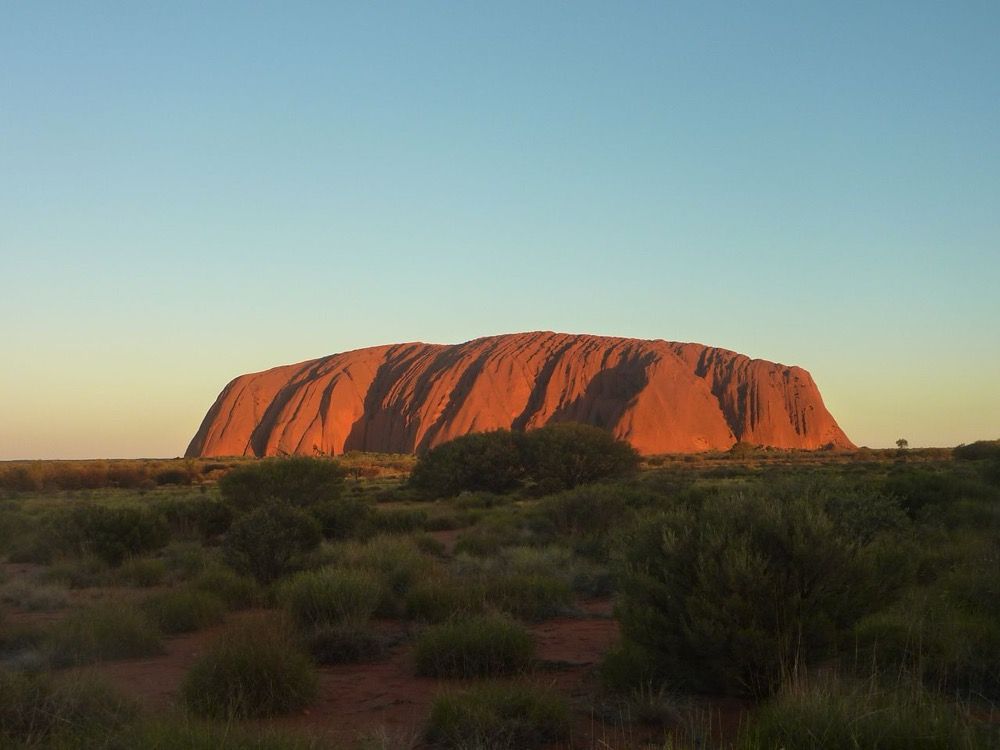
The spiritual heart of Australia — a giant red monolith rising out of the desert, under some of the clearest night skies on earth. Everything at Yulara costs more than it would in a city, since there's really one supplier for hundreds of kilometres in any direction, though resort jobs often come with subsidised staff accommodation that softens the blow. Set up before you arrive rather than after: our apps & websites guide covers what's worth having ready once phone signal gets patchy. Most people fly in and out of Yulara rather than treating it as a stop on a longer drive, though it does connect onward to Alice Springs, and beyond that to Darwin, where dry-season tourism work and the Top End mango harvest run on opposite halves of the year.
Tasmania Tasmania
A wild, green island of mountains, empty beaches and some of the cleanest air on earth — plus a food and wine scene that punches well above its size. Living costs sit below the mainland capitals, particularly outside Hobart, though you'll want a car since the island's small towns and orchards are spread out. Most people reach Tasmania by flying into Hobart or Launceston, or by taking the car ferry across from Melbourne if they're already road-tripping the mainland.
Work your way to a second year
This is the single biggest thing that decides where working holidaymakers go in Australia.
How to plan your route
A few things we wish we'd known before taking on a country this big.
| City | Shared room, per week | Hostel dorm, per night | Cost vs Sydney |
|---|---|---|---|
| Sydney | AU$350 | AU$40–65 | 1.00× |
| Melbourne | AU$280 | AU$35–55 | 0.92× |
| Perth | AU$250 | AU$30–50 | 0.88× |
| Darwin | AU$270 | AU$32–52 | 0.86× |
| The Gold Coast | AU$280 | AU$30–50 | 0.85× |
| Brisbane | AU$260 | AU$30–50 | 0.82× |
| Cairns | AU$220 | AU$28–45 | 0.78× |
| Adelaide | AU$240 | AU$30–48 | 0.78× |
Median figures for a shared room, not a studio. Treat them as a starting point, not a quote.
The dorm column moves with the season. To see what your own dates cost, Agoda lists hostels and hotels city by city.
The Agoda link above is an affiliate link. We may earn a small commission at no extra cost to you; see our affiliate disclosure.
Match your route to your goal. Farm-work-focused travellers do best starting in Sydney or Brisbane, then heading straight for a harvest region such as Bundaberg, the Riverina or regional WA before the season fills up — the good farms book out weeks ahead. City-job-focused travellers get more out of settling into Sydney or Melbourne first and building savings before moving on. If you're mainly here to see the country, loop the coast and worry about specified work later, or skip it entirely if the second year doesn't matter to you. Whichever route you pick, work backwards from when your 88 days need to land inside your first visa's validity, not forwards from wherever you happen to be.
Respect the heat and the distances. Sydney to Cairns along the coast is roughly 2,400km, usually spread over two or three weeks with stops rather than driven straight through, and Perth to the east coast is closer to 4,000km — one of the longest hauls you'll find anywhere. Avoid the tropical north in the wet season (Nov–Apr) and the Red Centre in peak summer, and build in more driving days than you think you'll need.
Start on the east coast if you're not sure. Sydney, Melbourne and Brisbane have the most jobs and the softest landing — settle in there before heading regional, especially if this is your first time in the country.
Take the sun and the surf seriously. Swim between the flags, learn to read a rip, and slap on sunscreen — the Australian sun is no joke.
Consider the classic coastal road trip, and weigh buying against renting if you're doing more than a few weeks of it. The Sydney-to-Cairns run is the backpacker rite of passage, with work and beaches the whole way up, and most people find a car pays for itself over a season of farm hopping. Our buying a car guide walks through the buy-vs-rent math and what to check before you hand over any money.
Lock in the big set-pieces early. Whitsundays sailing trips, Great Barrier Reef day boats and Uluru sunrise tours are the things people actually remember — and the ones that fill up first in peak season. Klook is a decent place to price them up while you're still mapping the route, so you can budget for them properly instead of deciding on the spot.
The Klook link above is an affiliate link — we may earn a small commission at no extra cost to you, and it doesn't change the price you pay. See our affiliate disclosure.
Ready to plan the Australia leg?
Check your visa eligibility, see what work pays, and budget the whole trip.
Not sure where to base yourself? Take our quick quiz — Which Australian city should you work in?