New Zealand
Mountains · Fiords · Adventure
Australia
Cities · Beaches · Sun
New Zealand vs Australia: Which Working Holiday Is Right for You?
Both New Zealand and Australia are brilliant working holiday destinations. We've done both. The right choice comes down to lifestyle: dramatic nature and a quieter pace, or big cities, beach life and constant buzz. This guide breaks down the real differences: visa rules, jobs, cost of living, weather and safety, so you can decide with confidence.
The quick verdict
If you want the short answer before the full breakdown below.
You want hiking, skiing and road trips over city life.
A quieter pace and small-town friendliness sound better to you than nightlife.
One straightforward 12-month visa is enough. You're not chasing an extension.
Beach culture, festivals and big cities matter more to you than mountains.
You want the option of a 2nd or 3rd year through regional work.
Warm weather nearly all year beats four real seasons, for you.
How they compare
The honest breakdown — no fluff, just what to expect from each country.
| New Zealand | Australia | |
|---|---|---|
| Climate | Four distinct seasons — cold, often snowy winters in the south, mild summers | Hot, sunny and consistent for most of the year, especially up north |
| Best for | Hiking, skiing, road trips, dramatic scenery | City life, beach culture, festivals and nightlife |
| Vibe | Chilled, outdoorsy, small-town friendliness | Fast-paced, buzzing, always something happening |
| Cities | Auckland, Wellington, Christchurch, Queenstown | Sydney, Melbourne, Brisbane, Perth |
| Earnings | Minimum wage around NZ$23.95/hr — lower cost of living in most regions | Minimum wage around AU$26.44/hr — higher pay ceiling in cities and seasonal work |
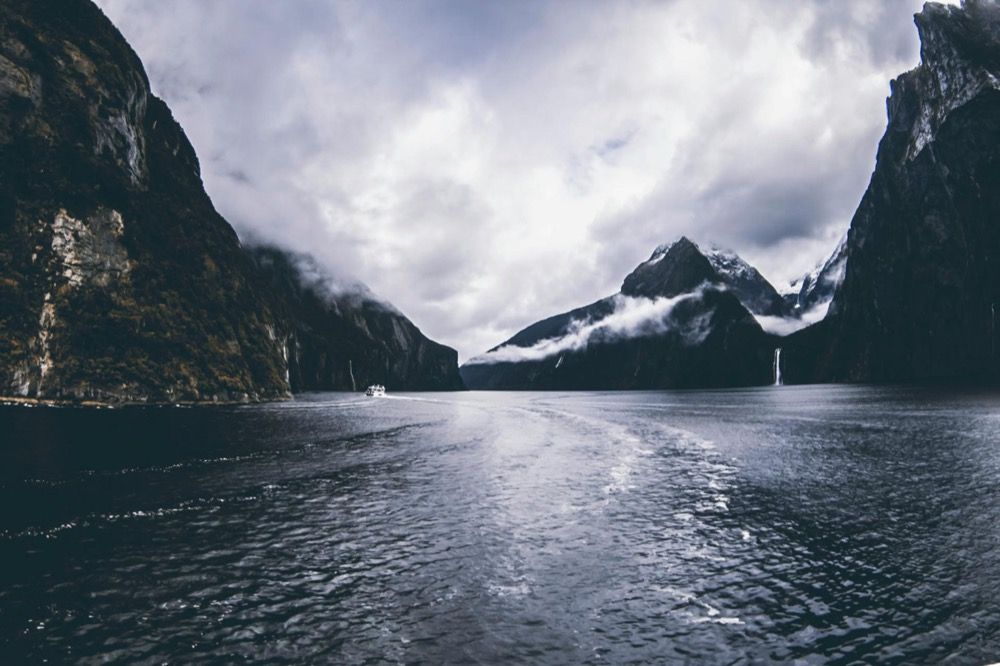
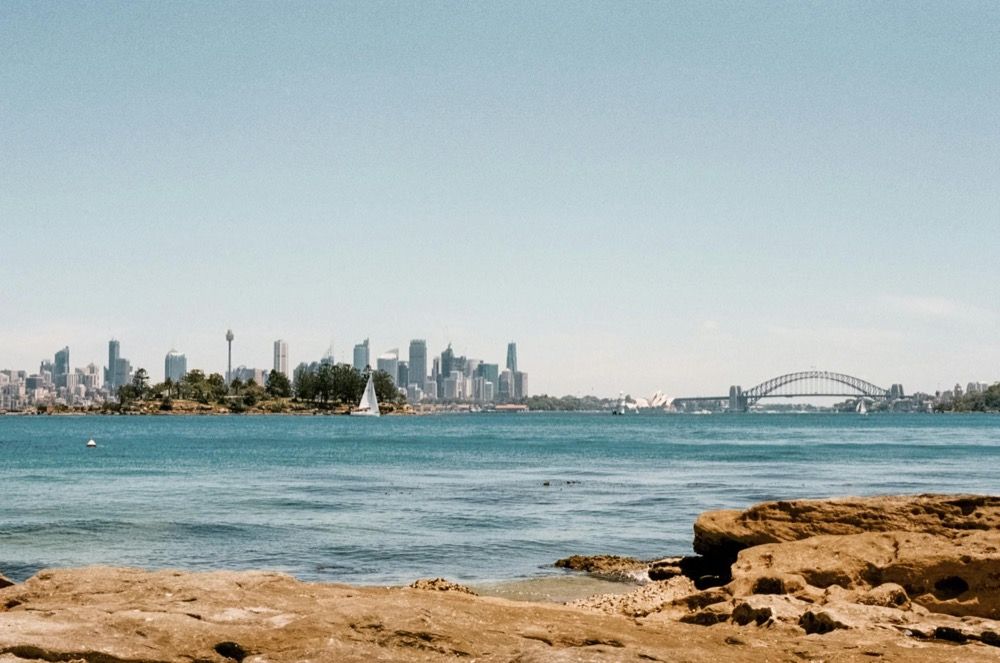
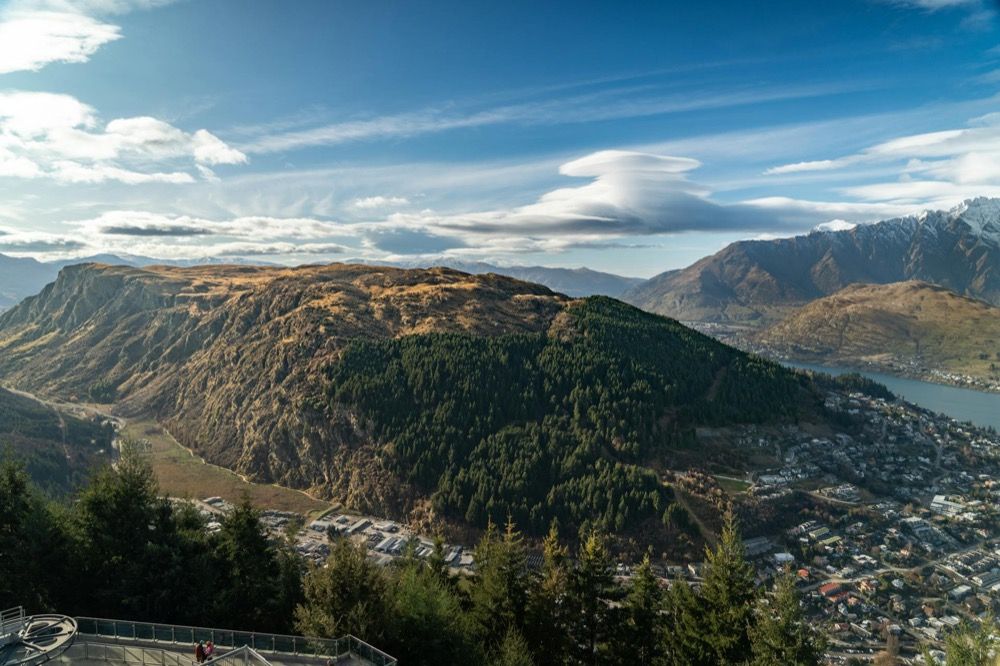
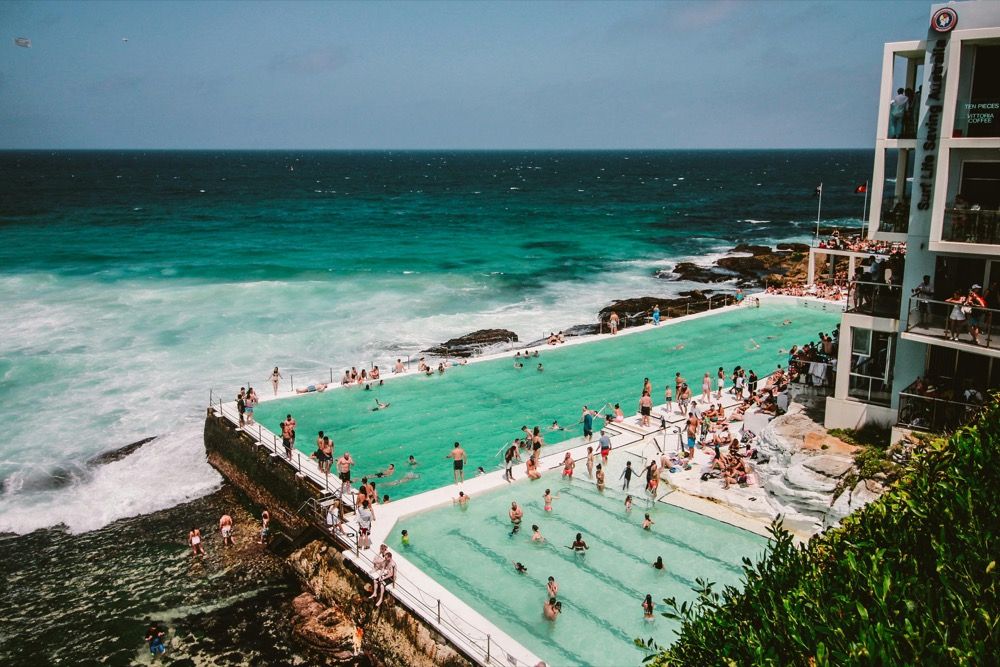
| Highlights | Fiordland, Milford Sound, Queenstown adventure sports, Hobbiton | Sydney Harbour, Great Barrier Reef, Bondi Beach, the Outback |
| Visa length | 12 months, most nationalities can't extend | Up to 12 months, extendable to a 2nd and 3rd year with eligible regional work |
Four things that actually decide it
Past the vibe check, these are the practical differences that end up mattering most.
Visa & eligibility
New Zealand runs one visa with a per-country age cap: 18 to 30 for most nationalities, 18 to 35 for nine of them including Canada and the UK, for NZD 770. Australia splits into two visas instead. The 417 allows 18 to 35 for some passports and 18 to 30 for others, while the 462 is a flat 18 to 30 for all 30 of its countries, no exceptions. Check which one your passport actually qualifies for before you compare difficulty.
Jobs & farm work
Backpacker jobs are easy to walk into in both countries, but the real difference shows up at the one-year mark. Staying longer in Australia means 88 days of specified regional work. New Zealand's own extension route asks for three months of horticulture or viticulture work instead. If a second year is part of the plan, that's the number to build your route around, not the headline visa length.
Farm work & the 88 days · Australia jobs guide · New Zealand jobs guide · Harvest calendars for New Zealand and Australia
Weather & timing
New Zealand runs four real seasons. Expect snow in the South Island winter and mild, changeable summers. Australia stays warm for most of the year, more so the further north you go, so timing matters less there. Locals use a simple trick to beat New Zealand's seasons entirely: North Island in summer, South Island in winter.
Safety & solo travel
Both countries are among the safer places in the world to travel alone, and neither should be the reason you pick one over the other. What changes is the kind of caution required. New Zealand's risks are mostly outdoors: weather, remote trails, driving on unfamiliar roads. Australia adds wildlife awareness and standard big-city sense in Sydney and Melbourne on top.
Cost of living, side by side
Rough weekly figures so you know what you're walking into. Prices shift by city and season — use these as a starting point, not gospel.
| New Zealand | Australia | |
|---|---|---|
| Weekly groceries | ~NZ$100–130 | ~AU$110–140 |
| Hostel dorm bed | ~NZ$35–45/night | ~AU$38–50/night |
| Pint of beer | ~NZ$10–12 | ~AU$11–13 |
| Coffee (flat white) | ~NZ$5.50 | ~AU$5 |
| Monthly transport pass | ~NZ$150 (Auckland AT HOP) | ~AU$180–220 (Sydney/Melbourne) |
| Average hourly wage | NZ$23.95 minimum | AU$26.44 minimum |
A taste of each country
A glimpse of what's waiting for you.
Which suits you best?
Answer 8 quick questions and we'll tell you where you're likely to have the best time.
1. What weather do you prefer?
2. Are you into high-adrenaline activities — bungy, skiing, skydiving?
3. What's your ideal day-to-day vibe?
4. How much does big-city life matter?
5. Do you love hiking in mountains with waterfalls and lakes?
6. How important are beaches and year-round surf?
7. How important is nightlife?
8. Where would you rather live day to day?
Matt & Sebi's top 5 tips
The stuff we wish someone had told us before we left.
Don't lock yourself into long-term accommodation on arrival — book 3–5 days only, and extend once you know the area and the people.
Put yourself out there — everyone in a hostel feels the same way, even if it doesn't look like it. The awkward first conversation is always worth it.
Travel with at least one other person if you can — it halves your costs and builds you up through the tough moments that come with being far from home.
Say yes to as much as you can — hikes, different work roles, camping trips, social events. The opportunities you take are what make the year.
For New Zealand: north island in summer, south island in winter — follow the pattern for a full year of good weather and good work.
FAQs
Quick answers to the questions we get asked most when people are stuck choosing.
Is New Zealand or Australia better for a working holiday?
Neither is objectively better. It comes down to what you want out of the year. New Zealand suits people chasing hiking, skiing and a quieter pace. Australia suits people who want big cities, beach culture and the option of a longer stay through regional work. Both visas are genuinely good value, and plenty of people who can't decide end up doing both.
Which is cheaper, a working holiday in New Zealand or Australia?
New Zealand is slightly cheaper day to day. Groceries, hostel beds and transport all run a little lower than in Australia's big cities. Australia's minimum wage is higher though, at AU$26.44 an hour against NZ$23.95, so the higher cost of living is largely offset by higher pay, especially in cities and seasonal work.
Which working holiday visa is easier to get, New Zealand or Australia?
New Zealand's Working Holiday Visa is one scheme with a fixed process: apply online, pay NZD 770, and most nationalities are approved quickly once they meet the age and funds requirements. Australia's 417 and 462 visas add extra steps for some passports, like a ballot, a government letter of support or a functional English test. Check which visa your own passport qualifies for before comparing how hard each one is.
Can I do a working holiday in both New Zealand and Australia?
Yes, and plenty of people do exactly that, usually back to back rather than at the same time. There's no rule against holding both visas across your working holiday years, as long as you meet each country's own eligibility and haven't already used up a repeat application on either one.
Is it easier to find work in New Zealand or Australia?
Both are easy for hospitality, farm and seasonal work, since employers in each country are used to hiring backpackers. New Zealand's job market is smaller with less competition per role. Australia has far more roles overall, spread across bigger cities. If a second year matters to you, Australia's 88-day regional work rule makes farm work worth chasing there specifically.
Which is safer for solo travellers, New Zealand or Australia?
Both rank among the safer countries in the world for solo travel. New Zealand's main risks are outdoor ones, like weather and remote hiking trails. Australia adds wildlife awareness and standard city precautions in Sydney and Melbourne. Neither should be the deciding factor between the two.