Top destinations in New Zealand
Where to base yourself, what each place is best for, and where the seasonal work is.
New Zealand is small enough to see all of on one working holiday, but where you base yourself makes all the difference to the year you have. Here are the towns and regions we'd point you to — split by island, with an honest take on the vibe, the work and the best time to turn up.
A taste of what's waiting
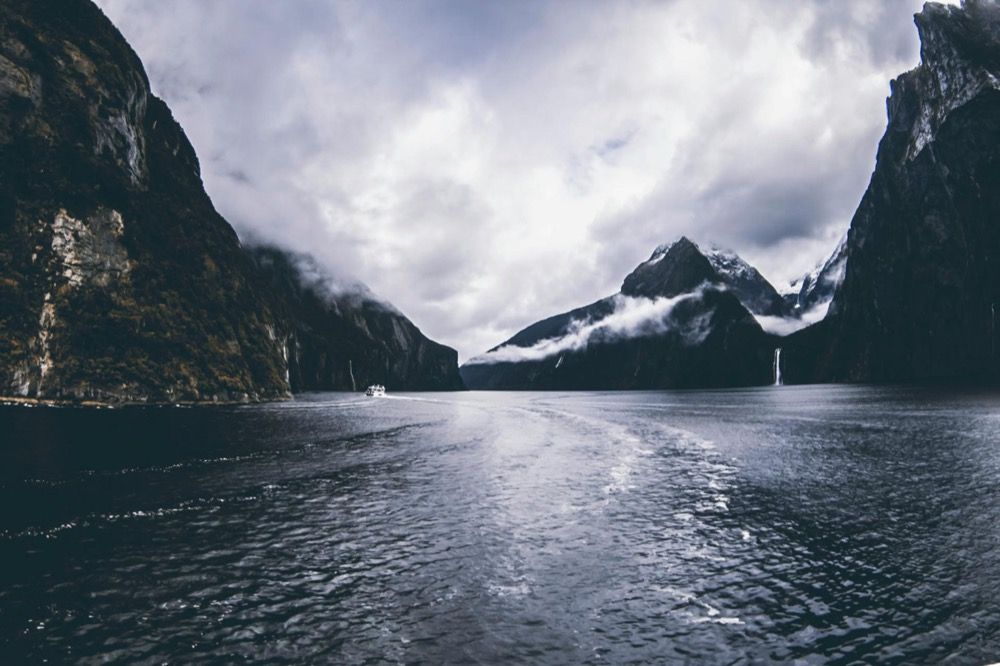
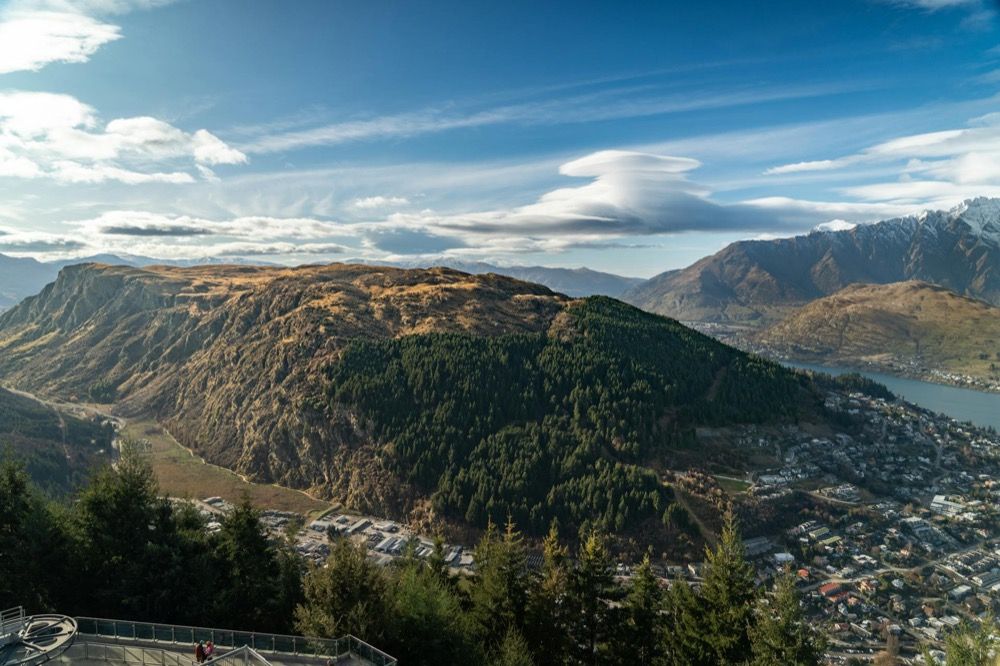
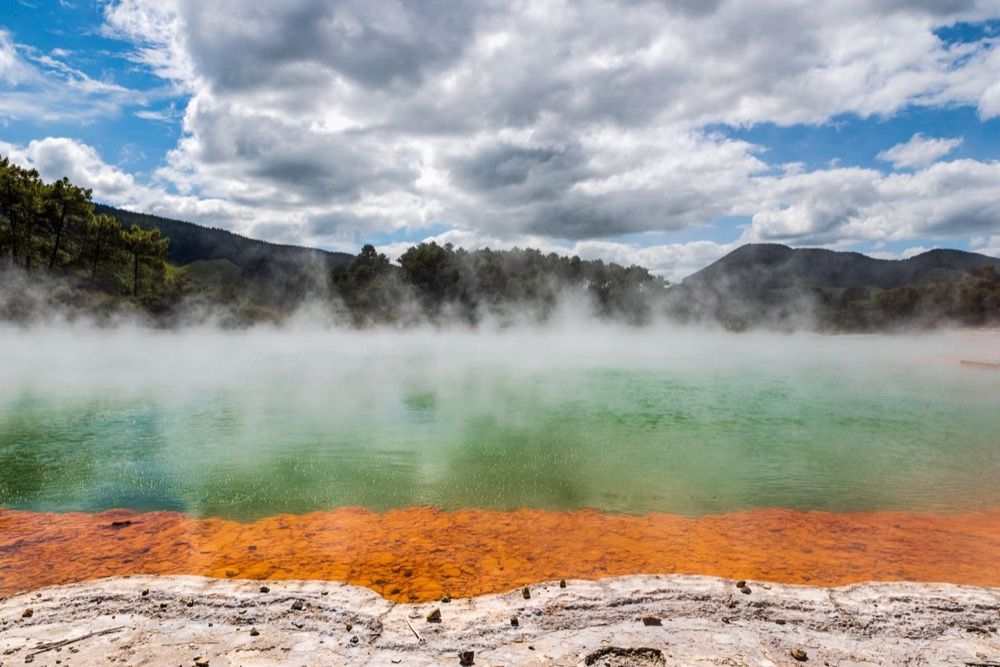
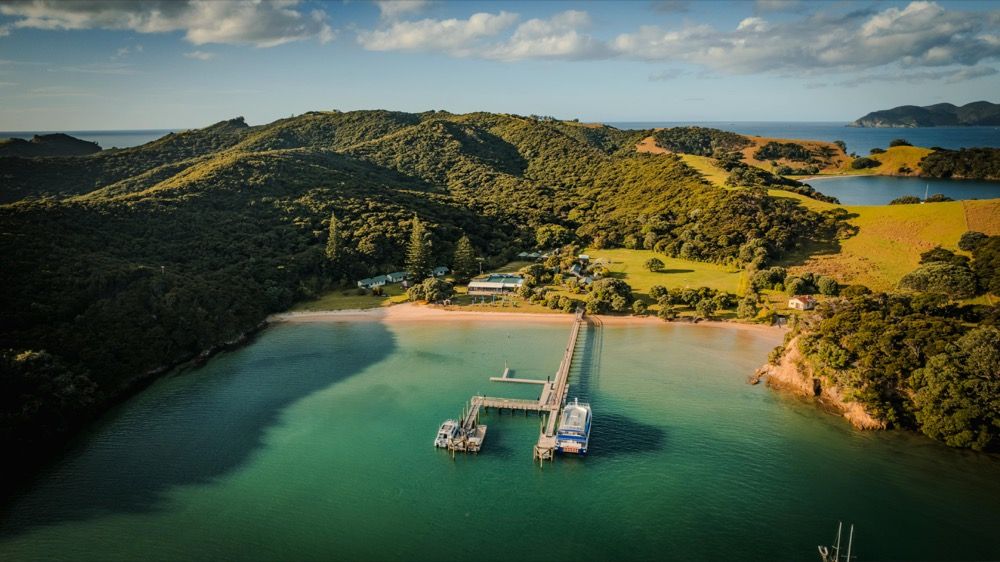
From the fiords of the deep south to the geothermal north — a glimpse of the country you're about to call home.
South Island
Mountains, fiords and lakes — the adventurous, outdoorsy half of the country, and the heart of ski and harvest work.
Queenstown South Island
The adventure capital of the world and the number-one base for a South Island working holiday. Bungy, skydiving, skiing and a lakeside nightlife scene, all ringed by the Remarkables. It's also the most expensive town on this list — accommodation is genuinely tight in ski season, and plenty of workers spend their first few nights in a van or a shared room while they hunt for something longer-term. Between the adventure sports and the ski slopes, this is somewhere you actually want a policy that covers what you'll be doing rather than just flights and lost luggage — our insurance guide compares which providers cover it. Most people either settle in for a full season or use Queenstown as a base before looping north to Wanaka or south to Christchurch.
Wanaka South Island
Queenstown's quieter, more laid-back cousin an hour up the road, set on a stunning lake beneath the mountains. Same scenery, half the crowds. Living costs sit a little below Queenstown, though it's still not a cheap town, and work between the ski fields and the orchards is spread out enough that you'll want transport sorted early. Our apps & websites guide is worth a look before you arrive, since booking sites and job boards move fast once the season starts. Wanaka connects easily back to Queenstown over the Crown Range, or north toward the Nelson wine region if you're chasing the harvest.
Christchurch South Island
The South Island's largest city and main gateway — a reinvented, easygoing place with the lowest big-city rents in the country and the Southern Alps on its doorstep. It's genuinely one of the more affordable places to base yourself on this list, which is a big part of why so many people land here first, pick up work and save before heading further south. Since you'll likely be setting up a lease and paying bills for the first time, our banking guide covers getting a local account open without losing a chunk of your first pay to conversion fees. From here it's a straightforward run south to Dunedin, where the student-city hospitality market has the cheapest rooms in the country, on to Queenstown, or north up the coast toward Kaikoura and the Picton ferry.
Nelson & Marlborough South Island
The sunniest corner of New Zealand, wrapped around Abel Tasman National Park and the country's biggest wine region — golden beaches and endless vineyards. Costs run below the main cities, and seasonal accommodation is often bundled with vineyard or orchard work, which softens the blow of the harvest-season rent squeeze. It's also the easiest link between the islands: Picton, on the doorstep of Marlborough, is where the Cook Strait ferry crosses to Wellington.
North Island
Cities, culture and warmer coasts — where most people land, find work fastest and ease into the country.
Auckland North Island
New Zealand's biggest city and busiest job market — where most working holidaymakers land first. Big-city energy with islands, beaches and vineyards on the doorstep. It's also the most expensive city in the country, so the sooner you're earning, the better. Sort your SIM before you land: our SIM card guide covers what to set up so you're not stuck at the airport while everyone else is already scrolling job boards and flat listings. From Auckland, most people head south toward Rotorua and Wellington, or north to the Bay of Islands for a slower start.
Wellington North Island
The compact, creative capital — famous for coffee, craft beer, film and a walkable café culture. A big-city feel packed into a town-sized harbour. Rent sits a little below Auckland, and the city is small enough to get around without a car, which helps offset the cost. Wellington also doubles as the North Island's ferry terminal — the Cook Strait crossing to Picton is the natural next move if you're heading south.
Rotorua North Island
Geothermal geysers, bubbling mud pools and the heart of Māori culture, three hours south of Auckland — plus some of the best mountain biking in the country. Living costs run comfortably below Auckland and Wellington, which makes it a popular stop for people trying to build savings back up mid-trip, on year-round tourism work or forestry and kiwifruit seasons nearby. It sits neatly between Auckland and the Bay of Plenty's kiwifruit region, so it works well either as a standalone base or a stop on the way to seasonal orchard work.
Bay of Islands North Island
A subtropical playground of 144 islands up in warm Northland — all beaches, sailing and dolphins, and the warmest weather in the country. It's a tourist town first, so prices run a bit higher than you'd expect for somewhere this small, especially over the summer peak. It's more of a detour than a through-route — most people base in Auckland and drive up for a few days rather than passing through on the way somewhere else.
Chase the seasons for work
The classic way to stay employed all year is to follow the harvest and the snow around the country.
How to plan your route
A few things we wish we'd known before criss-crossing the country.
| City | Shared room, per week | Cost vs Sydney |
|---|---|---|
| Queenstown | NZ$300 | 0.95× |
| Auckland | NZ$250 | 0.90× |
| Wellington | NZ$240 | 0.85× |
| Christchurch | NZ$210 | 0.80× |
| Rotorua | NZ$200 | 0.70× |
| Dunedin | NZ$180 | 0.68× |
Median figures for a shared room, not a studio. Treat them as a starting point, not a quote.
That's the rent once you've settled. For the nights before you find a room, and the stops along the way, Agoda lists hostels and hotels town by town.
The Agoda link above is an affiliate link. We may earn a small commission at no extra cost to you; see our affiliate disclosure.
Match your route to your goal. If you're chasing the three-month horticulture or viticulture visa extension, build your route around Hawke's Bay, Central Otago or the Bay of Plenty during their actual harvest windows rather than treating seasonal work as an afterthought — the good orchard jobs fill up fast once picking starts. If you're mainly after city work, Auckland or Wellington give you the deepest job markets to settle into first. If you're mostly here to see the country, loop between the islands and let the seasons set your direction rather than fighting them.
Base yourself, then explore. Pick one town, get a job and a room, and use your days off for road trips rather than constantly moving on.
Get a car or a lift-share, and think about buying rather than renting if you're staying more than a couple of months. Public transport between towns is limited — Auckland to Wellington is around 640km, roughly eight hours non-stop, and the Cook Strait ferry to Picton adds about three more if you're continuing south. Our buying a car guide walks through what actually makes sense on a working holiday budget.
Book the big-ticket stuff early in summer. Milford Sound cruises, the Great Walks huts and Queenstown activities sell out fast in peak season. Hut bookings go through DOC directly, but for cruises and activities Klook is a decent place to price them up while you're still mapping the route.
Work the harvest for a visa extension. Three months of horticulture or viticulture work can extend your stay — see our visa guide.
The Klook link above is an affiliate link — we may earn a small commission at no extra cost to you, and it doesn't change the price you pay. See our affiliate disclosure.
Ready to plan the New Zealand leg?
Check your visa eligibility, see what work pays, and budget the whole trip.
Not sure where to base yourself? Take our quick quiz — Which New Zealand city should you work in?